
For Amazon sellers, increasing profit margins is a constant battle in a hyper-competitive marketplace. Price wars, rising advertising costs, and shrinking margins are common challenges. But what if there was a proven strategy to not only overcome these hurdles but also boost your profit margins by up to 30%? The answer is strategic amazon product bundling.
This comprehensive guide will walk you through the intricacies of Amazon product bundling, from identifying the right products to optimizing your pricing and listings. Most importantly, you'll learn how to manage this process with a data-driven approach. With a powerful data extraction tool like Easyparser, you'll discover how to get ahead of your competitors and create irresistible offers for your customers, ultimately growing your business.
Section 1: Understanding Amazon Product Bundling
At its core, amazon product bundling is the practice of selling multiple complementary items as a single package. This strategy offers convenience and value to customers while giving sellers a competitive edge. However, to build a successful bundling strategy, it's essential to fully understand what bundling is, its different types, and Amazon's rules and regulations.
What is Amazon Product Bundling?
Amazon product bundling involves combining two or more different products under a single ASIN (Amazon Standard Identification Number). These bundles typically consist of related items that create more value when used together. For example, selling a camera with a memory card, a case, and a tripod is a classic example of product bundling. This strategy simplifies the shopping experience by offering everything a customer might need in one package, increasing the likelihood of a purchase.
Types of Amazon Bundles
There are four main types of product bundles on Amazon:
- Traditional Physical Bundles: This is the most common type of bundle. The seller physically assembles complementary products, packages them, and sends them to an Amazon FBA (Fulfillment by Amazon) center under a single SKU (Stock Keeping Unit).
- Virtual Bundles: This feature allows brand-registered sellers to virtually combine 2 to 5 different FBA products without physically packaging them together. This method simplifies inventory management and eliminates packaging costs.
- Wholesale Bundles: This strategy involves bundling and selling products that are purchased wholesale and are related to each other. This is particularly effective for offering practical solutions to customer needs without being tied to a specific brand.
- Behavior Modification Bundles: This is more of a psychological approach. It aims to encourage customers to make multiple purchases by showing images of the product being used in multiples in the product listing.
Amazon's Bundling Policy and Requirements
Amazon has strict rules for product bundling. Failure to comply with these rules can result in your listing being suspended or your account being closed. Here are some key points to keep in mind:
- Each bundle must have its own unique ASIN/UPC.
- The products in the bundle must be complementary.
- All products must be in new condition.
- The bundle must be eligible for FBA.
- Brand ownership rules must be followed.
- The bundle must be listed in a single category (usually the category of the highest-priced item).
- Generic (unbranded) products cannot be bundled with branded products.
Section 2: Why Bundling Increases Profit Margins
Amazon product bundling is more than just a sales strategy; it's a powerful financial tool that directly impacts profitability. When executed correctly, this method allows sellers to significantly increase their profit margins. So, how is this possible? Here are the key factors that explain the impact of bundling on profitability:
The Financial Impact of Product Bundling
From a purely financial perspective, bundling offers a multi-faceted approach to boosting your bottom line. It’s not just about selling more; it’s about earning more from each sale.
Revenue Benefits
- Increased Average Order Value (AOV): Bundling encourages customers to purchase more items in a single transaction. This raises the average order value and increases overall revenue.
- Higher Perceived Value: Customers perceive bundled products, often offered at a slight discount, as more valuable than buying each item individually. This justifies a higher price point and increases the profit margin.
- Reduced Competition: By creating your own unique bundle, you step out of direct competition. This allows you to avoid price wars and set healthier profit margins.
- Better Inventory Management: You can pair slow-moving products with popular ones to reduce stock costs and manage your inventory more efficiently.
Cost Advantages
- Lower Per-Unit Marketing Costs: You can promote multiple products with a single ad. This lowers the marketing cost per unit and increases the return on your advertising spend (ROAS).
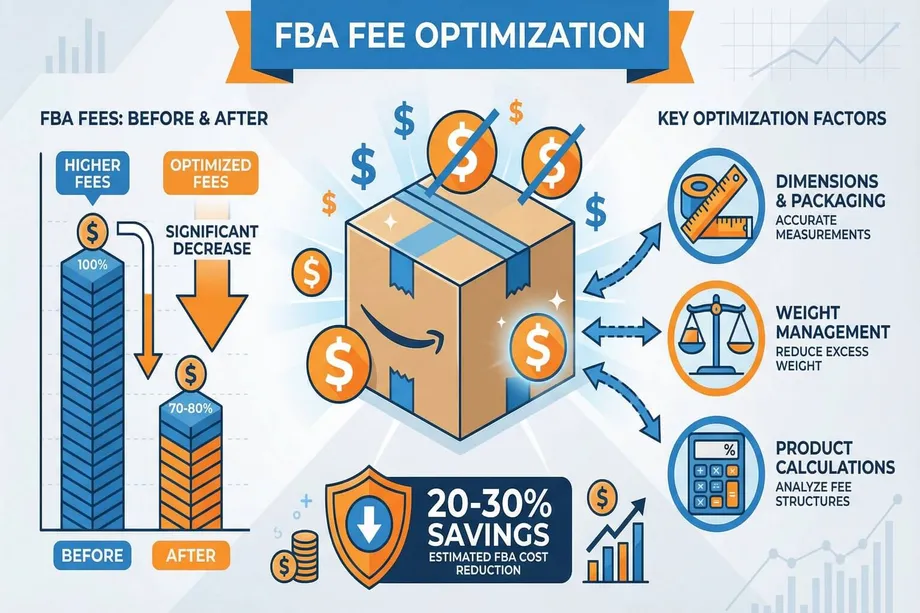
- Optimized FBA Fees: Shipping a single bundle is often cheaper than shipping multiple individual products, which can lead to significant savings on FBA fees.
- Inventory Liquidation Opportunities: Bundling provides an effective way to sell off excess or aging inventory without resorting to heavy discounts that can damage your brand perception.
Strategic Advantages
Beyond the immediate financial gains, a smart amazon product bundling strategy provides significant long-term strategic benefits that can solidify your market position.
- Buy Box Ownership: When you create a unique bundle, you typically have exclusive ownership of the Buy Box. This means you capture the vast majority of sales for that listing.
- Market Differentiation: Bundling is one of the most effective ways to differentiate your brand from competitors and carve out a unique space in the market.
- Cross-Sell Opportunities: It's an excellent opportunity to introduce customers to other products in your catalog that they might not have discovered otherwise.
- Customer Convenience: Customers appreciate the convenience of finding everything they need in one package. This enhances customer satisfaction and builds loyalty.
Real Numbers: A 30% Margin Increase in Action
Let's move beyond theory. A well-executed bundling strategy has tangible results. Imagine you have a main product that you sell for $50 with a 20% profit margin ($10 profit). Now, consider adding a complementary product that costs you $5 and normally sells for $15. If you sell these two items as a bundle for $60, your total cost is $45 ($40 for the main product + $5 for the accessory), and your profit increases to $15. This simple move boosts your profit margin to 25%. With more complex and valuable bundles, achieving a 30% or even higher increase in profit margin is entirely feasible.
Section 3: Identifying Bundle Opportunities
The foundation of a successful amazon product bundling strategy is bringing the right products together. The wrong product selection can undermine even the best pricing and marketing efforts. In this section, we will delve into data-driven and proven methods for identifying profitable bundling opportunities.
Method 1: Complementary Product Analysis
The essence of bundling is complementarity. A product that facilitates, enhances, or completes the use of another is a potential bundle partner. To understand this relationship, ask yourself these questions:
- What else do my customers need after purchasing my main product?
- Which products offer a better experience when used together?
- How can I solve a customer's problem or need in a single package?
For example, if you sell a yoga mat, products like a yoga block, a carrying case, or a cleaning spray are natural complements. Bundling these items offers the customer a complete yoga starter kit.
Method 2: Data-Driven Bundle Discovery
While intuition is important, the best bundling decisions are based on data. Amazon offers a rich source of data on customer behavior. Analyzing this data correctly can uncover hidden bundling opportunities.
Amazon's "Frequently Bought Together" Section
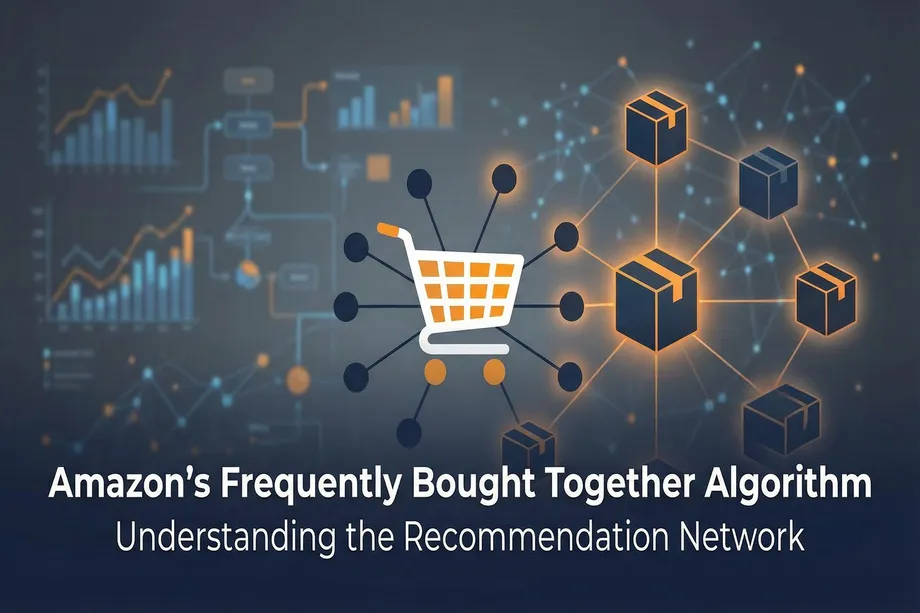
Located under every Amazon product page, this section is a goldmine. Amazon's own algorithm shows which products are naturally purchased together by customers. This is the source of the most obvious and often most reliable bundling ideas.
"Customers Who Viewed This Item Also Viewed"
While this section doesn't show direct purchasing behavior, it provides important clues about customer interest and potential complementary products. It helps you understand which alternatives or additional products customers are researching.
Method 3: Deep Analysis with Easyparser's `similar_to_consider` Field
While Amazon's interface offers limited information, an API like Easyparser allows you to pull this data programmatically and at scale. The `similar_to_consider` field returned from Easyparser's Product Detail operation provides a list of alternative or recommended products associated with a product. This field includes not just the ASIN and title, but also critical data like price, rating, review count, and Prime eligibility. By analyzing this data, you can identify not only popular but also profitable and highly-rated complementary products.
Method 4: Keyword Research
Customers' search behaviors tell a lot about their needs and expectations. By using keyword research tools, you can discover terms searched for along with your main product. For example, in addition to searches for "laptop bag," more specific searches like "laptop bag and mouse set" indicate potential bundling opportunities. Following seasonal or trending keywords is a great way to create periodic bundles.
Method 5: Category Cross-Analysis
Don't limit yourself to your own category. Complementary products are often found in different categories. For example, if you sell kitchen gadgets, you can look for cross-bundling opportunities with products in the gourmet food category. Analyzing which categories your competitors are bundling with can also give you new ideas. By examining Amazon's Bestsellers lists in different categories, you can identify popular and trending products and think about how you can combine them with your own products.
Method 6: Customer Review Mining
Customer reviews are a treasure trove not just for feedback on your product, but also for unmet needs and hidden desires. By carefully reading reviews, you can learn what other products customers are using or looking for with your product. For example, a customer review saying, "This tent is great, I just wish it came with a lantern," gives you a direct bundling idea.
Section 4: Using Easyparser for Bundle Research
Theoretical knowledge and manual research are effective up to a point. However, to truly scale, automate, and profit from your amazon product bundling strategy, you need data. This is where Easyparser comes in. Easyparser provides programmatic access to Amazon's rich database, giving you a competitive advantage that your rivals lack.
Why Data Extraction Matters for Bundling
A successful bundling strategy relies on understanding which products sell well together, what competitors are doing, and how prices fluctuate. Easyparser allows you to pull this critical information in real-time and in bulk. This enables you to make decisions based on concrete data rather than assumptions.
Understanding the `similar_to_consider` Field
One of Easyparser's most powerful features is the `similar_to_consider` object returned in the Product Detail API call. This object contains a list of products that Amazon suggests as alternatives to consider. This is the closest and most valuable programmatically accessible data to the "Frequently Bought Together" information. Using this field, you can:
- Instantly get basic data like ASIN, title, price, and rating of potential complementary products.
- Check the Prime eligibility of these products for your logistics planning.
- Increase the quality of your bundle by identifying highly-rated products with positive reviews.
Python Code Example: Discovering Similar Products
The Python code below demonstrates how you can discover potential bundle partners for a specific ASIN using the Easyparser API. This code extracts and prints the basic information of each product in the `similar_to_consider` field.
import requests
# Specify your Easyparser API key and target ASIN
API_KEY = "YOUR_API_KEY"
ASIN = "B098FKXT8L" # Example product ASIN
# Prepare parameters for the API request
params = {
"api_key": API_KEY,
"platform": "AMZ",
"operation": "DETAIL",
"domain": ".com",
"asin": ASIN
}
# Send the request to the Easyparser API
response = requests.get("https://realtime.easyparser.com/v1/request", params=params)
data = response.json()
# Extract and print similar products
if data.get("result") and data["result"].get("detail"):
similar_products = data['result']['detail'].get('similar_to_consider', [])
for product in similar_products:
print(f"ASIN: {product.get('asin')}")
print(f"Title: {product.get('title')}")
print(f"Price: {product.get('price', {}).get('value')}")
print(f"Rating: {product.get('rating')}")
print("-"*20)
Bulk Bundle Analysis (Bulk API)
When you want to analyze bundling opportunities not just for one product, but for your entire product portfolio, Easyparser's Bulk API comes into play. With a single API request, you can analyze up to 5000 products, identify potential bundle combinations, and discover market trends. This offers a depth of analysis that is impossible to do manually.
Competitor Bundle Monitoring
Knowing which products your competitors are bundling, how they are pricing them, and how successful they are gives you a huge advantage in determining your own strategy. With Easyparser, you can regularly track the ASINs of competitor bundles, monitor price changes, and analyze performance metrics to identify gaps in the market.
Building an Automated Bundle Research System
You can create a systematic bundle research workflow using Easyparser:
- Identify the Main Product: Choose the main product to be the center of your bundling strategy.
- Extract Similar Products: Pull the `similar_to_consider` data for this product with the Easyparser API.
- Analyze Complementarity: Analyze the list of products you've pulled for complementarity, price, and quality.
- Calculate Profitability: Determine the profit margin for potential bundles by calculating costs and FBA fees.
- Monitor Performance: Regularly track the sales, customer reviews, and return rates of the bundle you've created.
- Iterate and Optimize: Continuously improve your bundle (content, price, marketing) based on the data you've collected.
Section 5: Bundle Creation Best Practices
Once you have identified the right bundling opportunities, the next step is to turn these ideas into successful and profitable product listings. This process involves critical steps like careful product selection, determining the optimal bundle size, and quality control. Here are the best practices to guide you:
Product Selection Criteria
Each product to be included in a bundle must meet certain criteria. This is important to maximize the overall value and appeal of the bundle.
- Complementarity Score: Objectively evaluate how compatible the products are. Do they really solve a problem when used together?
- Price Point Balance: There shouldn’t be a huge gap between the prices of the products in the bundle. This can lower the customer’s perceived value.
- Quality Consistency: All products in the bundle should be of similar quality. Adding a low-quality product to a high-quality one can damage the image of the main product.
- Brand Compatibility: If you are bundling products from different brands, make sure their target audiences and images are compatible.
- Shipping Compatibility: The sizes and weights of the products should be compatible so as not to increase FBA fees and shipping costs.
Optimal Bundle Size
How many products to include in a bundle is a strategic decision. Too few products may not offer enough value; too many can overwhelm the customer and increase costs.
- 2-Item Bundles: The most common and usually most effective type of bundle. It includes a main product and its most important complement.
- 3-5 Item Bundles: Ideal for themes like “starter kit†or “complete solution.†It offers the customer a more comprehensive solution.
- When to Stop: Make sure that every new product added to the bundle increases the total value and profitability. Avoid products that don’t add value or lower the profit margin.
Bundle Composition Strategies
How you put your bundle together depends on your target audience and marketing goals.
- Hero Product + Accessories: Combine your most popular product with accessories that make it more useful.
- Problem-Solution Bundles: Bundle products that solve a specific customer problem (e.g., “stain removal kitâ€).
- Complete Solution Bundles: Bundles that include everything needed for a specific activity or hobby (e.g., “garden care setâ€).
- Themed Bundles: Bundle products based on a specific theme or concept (e.g., “spa day packageâ€).
- Seasonal Bundles: Create bundles for holidays, special occasions, or seasons (e.g., “summer barbecue packageâ€).
Quality Control
Your bundle is a reflection of your brand. Therefore, quality control is vital.
- Pre-Launch Testing: Get feedback by testing your bundle with a small group.
- Integrating Customer Feedback: Carefully monitor comments and questions after launch and make necessary improvements.
- Monitoring Return Rates: High return rates can be a sign of a problem with the bundle. Investigate the reasons and develop solutions.
Section 6: Pricing Strategies for Maximum Profit
Correct pricing is the most critical factor determining the profitability of your amazon product bundling strategy. Your price must be both attractive to the customer and leave you with a healthy profit margin. Here are the models and strategies to consider when pricing your bundles:
Bundle Pricing Models
- Cost-Plus Pricing: The simplest model. You add your target profit margin on top of the total cost of all products in the bundle.
- Value-Based Pricing: You set a price based on the perceived value the customer attributes to the bundle. This usually provides higher profit margins.
- Competitive Pricing: You analyze the prices of your competitors offering similar bundles and position your own price accordingly.
- Psychological Pricing: You use price points that affect the customer’s perception, such as $99.99.
Discount Strategy
One of the main attractions of bundling is that it is often cheaper than buying items individually. However, the discount rate must be determined carefully.
- Optimal Discount Rate: A discount of 10-20% is usually both attractive to the customer and protects your profit margin.
- Perceived Value vs. Actual Savings: Increase the customer’s perceived value by emphasizing the discount with phrases like “save a total of $X.â€
- Avoiding Margin Erosion: A very high discount can erode your profit margin and eliminate the financial benefit of bundling.
Dynamic Pricing
Prices on Amazon are constantly changing. Therefore, it is important to adopt a dynamic approach instead of a static pricing strategy.
- Repricing Strategies: Consider using repricing software that automatically adjusts your prices based on competitors’ price changes, stock status, and demand levels.
- Seasonal Adjustments: You can adjust your prices upwards during times of increased demand, such as holiday periods or special events.
- Inventory-Based Pricing: You can liquidate your inventory by offering more aggressive discounts on bundles containing overstocked products.
Profitability Calculation
A detailed profitability analysis for each bundle is mandatory for your financial health.
- Total Cost Breakdown: List all costs, such as product costs, packaging materials, labor, and shipping.
- FBA Fee Calculation: Accurately calculate FBA fees based on the size and weight of the bundle.
- Profit Margin Targets: Set an achievable and sustainable profit margin target for each bundle.
- Break-Even Point: Calculate how many bundles you need to sell to cover your costs.
Section 7: Bundle Listing Optimization
You’ve created a great bundle and set a profitable price. Now it’s time to optimize the listing to ensure customers can find and purchase it. Your bundle listing should clearly communicate the value and content of the bundle and be optimized for Amazon’s search algorithm (A9).
Title Optimization
The title is the first thing the customer sees and one of the most important ranking factors in search results.
- Keyword Placement: Place your most important keywords at the beginning of the title.
- Bundle Expression: Clearly state that it is a bundle by using expressions like “Bundle,†“Set,†“Kit,†or “Combination†in the title.
- Character Limits: Adhere to Amazon’s category-specific character limits and make sure the title is readable on mobile devices.
Image Requirements
Images are the elements that most influence the customer’s purchasing decision. The role of images in bundle listings is even more critical.
- Main Image Rules: The main image should clearly show all products in the bundle and have a white background.
- Lifestyle Images: Use high-quality lifestyle images that show how the bundle is used and what value it adds to the customer’s life.
- Infographic Images: Create infographics that explain the benefits of the bundle, its content, and the features of each product.
- A+ Content Integration: If you have brand registry, use A+ Content (Enhanced Brand Content) to tell the story of the bundle in more detail.
Bullet Points and Description
Bullet points allow the customer to quickly understand the benefits of the bundle. The description section provides more detailed information.
- Highlighting Each Product: Highlight a different product in the bundle or a general benefit of the bundle in each bullet point.
- Bundle Benefits: Explain not just the features, but the total value and benefits the bundle provides to the customer (e.g., “save time,†“save money,†“complete solutionâ€).
- Use Cases: Give examples of when and how the bundle can be used.
- Value Proposition: Clearly state why the bundle is a better option than buying items individually.
Backend Keywords
These keywords are not visible to customers, but they are important for the A9 algorithm.
- Keyword Inheritance: In virtual bundles, keywords are usually inherited from the main (hero) product of the bundle. Therefore, make sure the backend keywords of the main product are well-optimized.
- Category Selection: Placing your bundle in the most relevant category helps you reach the right customers.
- Search Term Strategy: Add all possible search terms (including long-tail keywords) that customers might use to search for your bundle to your backend keywords.
Section 8: Performance Tracking and Optimization
Creating and listing a bundle is just the beginning of the process. Real success comes from continuously monitoring performance and making data-driven optimizations. Here are the key metrics and strategies you should track:
Key Performance Indicators (KPIs) to Monitor
- Conversion Rate: Shows how many of the customers who visit your bundle listing make a purchase. A low rate may indicate a problem with pricing or listing quality.
- Average Order Value (AOV): Measure how much your bundles increase AOV compared to individual product sales.
- Buy Box Percentage: Especially in competitive bundles, track how long you hold the Buy Box.
- Return Rate: A high return rate may indicate problems such as incompatibility of products in the bundle or unmet customer expectations.
- Customer Reviews: Positive and negative customer reviews about the bundle are the best source for understanding what works and what doesn’t.
- Sales Velocity: Plan your demand and inventory by tracking how fast the bundle sells.
Optimizing Bundles with A/B Testing
Don’t hesitate to continuously test to find the best combination and price.
- Testing Different Combinations: Analyze which new bundles with different complementary products perform better.
- Price Point Testing: Find the balance that maximizes profitability and sales volume by testing different price points and discount rates.
- Image Testing: Test which different main images or lifestyle photos provide higher click-through and conversion rates.
- Title Variations: Analyze which keywords and phrases attract more traffic by using different titles.
Iteration Strategy
The market and customer needs are constantly changing. Therefore, your bundle strategy should not remain static.
- When to Add/Remove Products: If you notice that a product does not contribute to the overall value of the bundle or lowers the profit margin, do not hesitate to remove it or replace it with another product.
- Pricing Adjustments: Regularly review your prices according to competitor prices, demand changes, and cost increases.
- Seasonal Changes: Increase relevance by updating your bundles according to upcoming holidays or seasons.
Section 9: Common Bundling Mistakes and Solutions
Although Amazon product bundling offers great potential, it can be a process full of pitfalls. Here are the common mistakes sellers make and practical solutions to avoid them:
Mistake 1: Poor Product Selection
Bundling irrelevant or inconsistent quality products confuses the customer and reduces the value of the bundle.
Solution: Adopt a data-driven approach. Choose truly complementary and high-quality products by analyzing Easyparser’s `similar_to_consider` data, customer reviews, and the “Frequently Bought Together†section.
Mistake 2: Incorrect Pricing
Selling the bundle too expensive drives customers away; selling it too cheap destroys your profit margin.
Solution: Make a detailed profitability calculation. Take all your costs (product, FBA, packaging) into account and set an attractive but sustainable discount rate in the 10-20% range. Consider using dynamic pricing tools.
Mistake 3: Policy Violations
Violating Amazon’s bundling policies (e.g., bundling a generic product with a branded one) can lead to your listing being suspended.
Solution: Carefully read Amazon’s Product Bundling Policy page and create a checklist to ensure that each bundle complies with these rules.
Mistake 4: Low-Quality Listings
Bad photos, incomplete descriptions, and weak keywords can cause even a great bundle to not sell.
Solution: Have professional product photos taken. Create a listing that shows all the products in the bundle, highlights the benefits, and is optimized for SEO.
Section 10: Advanced Bundling Strategies
Once you’ve learned the basics, you can explore more advanced strategies to take your business to the next level.
Virtual Bundle Strategies
For brand-registered sellers, virtual bundles are a great way to bundle without the inventory and logistics hassle. To make the most of this strategy:
- Combine Your Most Popular Products: Increase visibility and cross-sells by bundling your 2-5 best-selling products.
- Add Overstocked Products: Balance your inventory by adding a slow-moving complementary product to a popular one.
- Use Sponsored Brand Ads: Although virtual bundles are not eligible for Sponsored Product ads, they can be promoted with Sponsored Brand ads. This is a great opportunity to increase brand awareness.
Seasonal Bundle Planning
Customers’ purchasing behaviors change with seasons and special occasions. You can increase your profitability by taking advantage of these trends.
- Q4 Holiday Bundles: Create gift sets and special bundles for Christmas, Black Friday, and other holiday periods.
- Back-to-School Bundles: Prepare bundles containing stationery, electronics, and dorm room supplies for students.
- Summer/Winter Themes: Create beach or barbecue sets for summer, and home comfort-themed bundles for winter.
International Bundling
If you sell in different Amazon marketplaces, consider localizing your bundle strategy. The preferences and needs of customers in different countries may vary. With Easyparser’s multi-domain support, you can analyze `similar_to_consider` data in different markets to create the most suitable bundles for each market.
Scaling Your Bundle Business
When your bundling strategy starts to be successful, you need to set up automation and systems to scale the process.
- Portfolio Management: Set up a system that monitors all your bundles and their performance from a single place.
- Automation Strategies: Automate processes like identifying new bundle opportunities and competitor tracking using APIs and scripts like Easyparser.
- Team Workflows: Define clear workflows and responsibilities for bundle research, creation, and optimization.
Conclusion: Achieve Profitability with Data
Use data-driven bundling to lift margins, avoid price wars, and build a stronger offer.
Start making data-driven decisions today
Start Your Free Trial100 free credits, no credit card required.