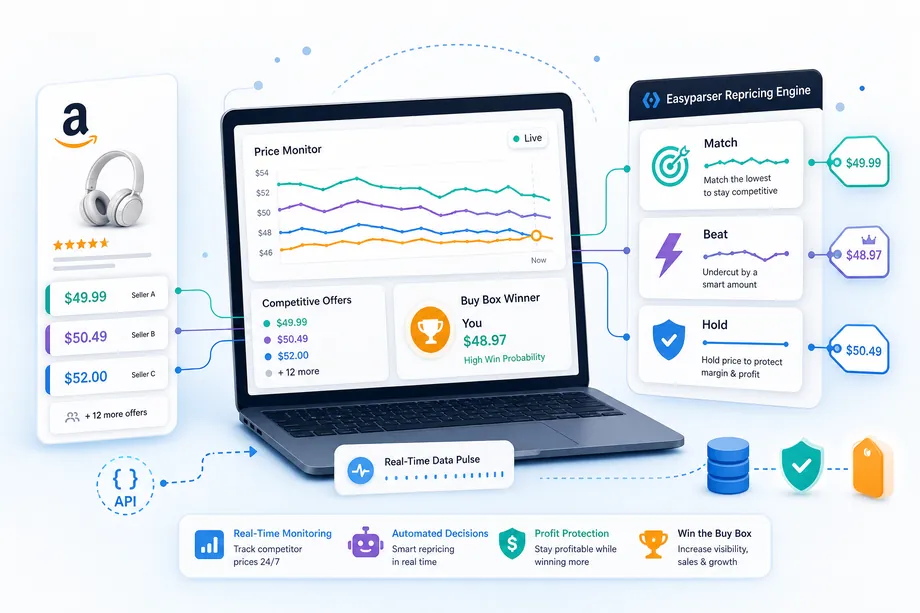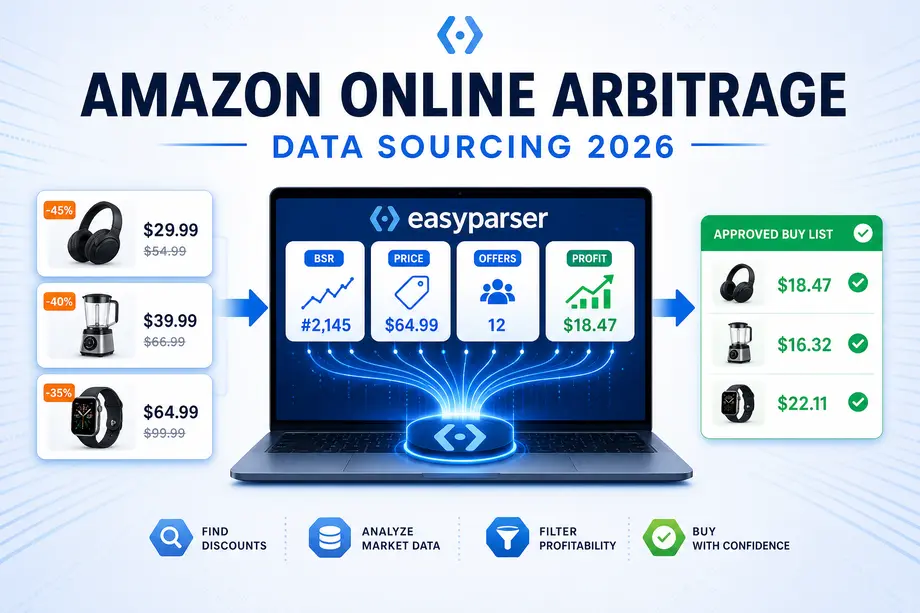
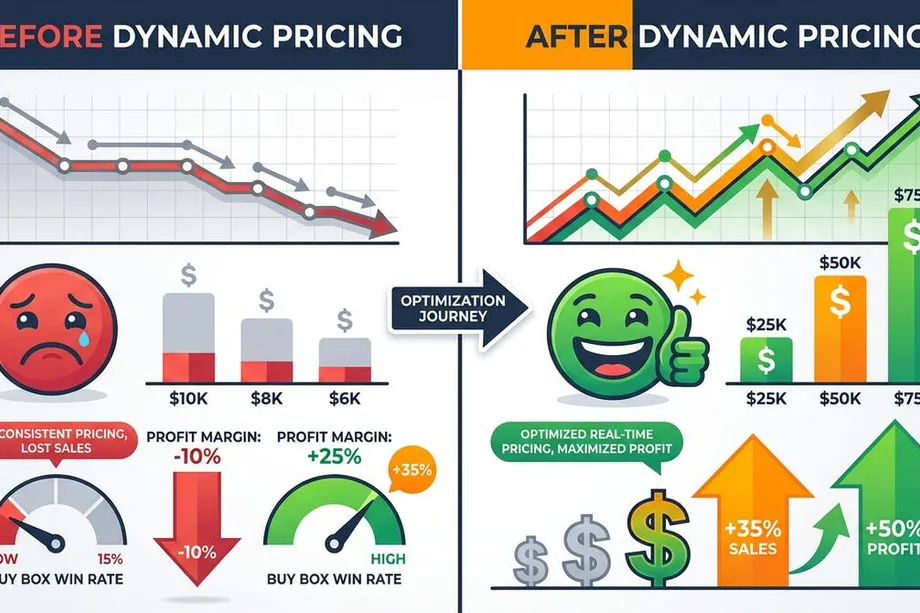
In the hyper-competitive Amazon marketplace, where millions of sellers vie for customer attention, pricing is more than just a number it's a strategic weapon. Static, set-and-forget pricing models are a relic of the past. To succeed today, sellers must embrace dynamic pricing, a sophisticated strategy that adjusts prices in real-time based on market conditions. This guide will explore the intricacies of Amazon's dynamic pricing, demystify the all-important Buy Box algorithm, and demonstrate how to leverage API-driven automation to stay one step ahead of the competition.
For both seasoned sellers and newcomers, understanding the mechanics of price fluctuations is crucial. It's the key to maximizing visibility, sales, and, most importantly, profit margins. We'll break down the core components of a successful pricing strategy, from understanding the factors that influence price changes to implementing a powerful, automated system that does the heavy lifting for you.
The Amazon Buy Box: Your Golden Ticket to Sales
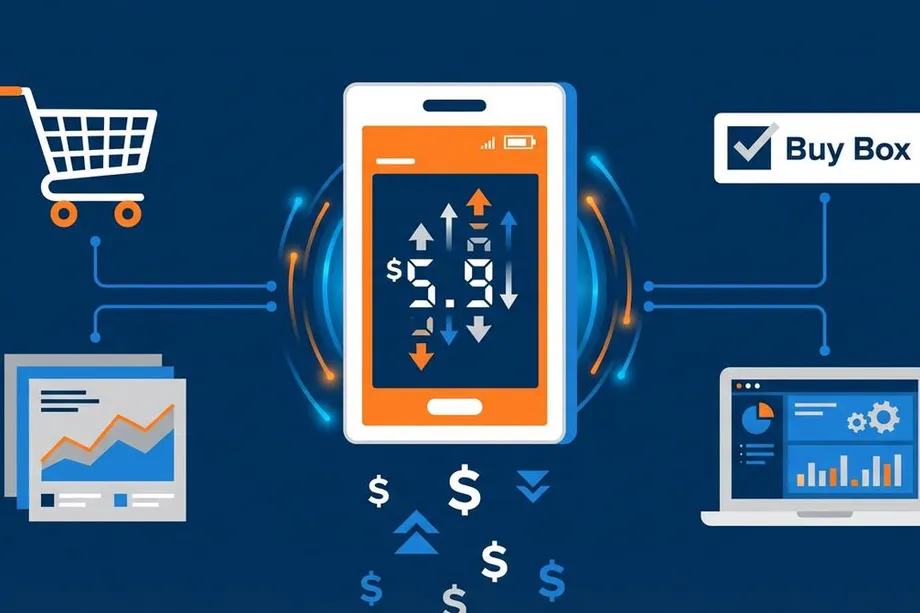
The Buy Box (or "Featured Offer") is the holy grail for Amazon sellers. It's the white box on the right side of the product detail page where customers can add items to their cart or make an instant purchase. With over 82% of Amazon sales flowing through it, winning the Buy Box is not just an advantage; it's essential for survival. Losing it means your offer is relegated to the "Other Sellers on Amazon" section, a place few shoppers venture.

Amazon's algorithm for awarding the Buy Box is a closely guarded secret, but its goal is clear: to provide the best possible experience for the customer. It's a two-stage process that first filters for eligibility and then ranks the remaining sellers to determine who gets the coveted spot. Price is a major factor, but it's not the only one. The algorithm weighs a complex set of variables to determine which seller offers the best overall value.
Key Buy Box Eligibility and Ranking Factors:
| Factor | Why It Matters |
|---|---|
| Landed Price | The total price a customer pays (including shipping). This is one of the most heavily weighted factors. |
| Fulfillment Method | Sellers using Fulfillment by Amazon (FBA) or Seller-Fulfilled Prime (SFP) have a significant advantage, as Amazon considers their fulfillment method to be the most reliable. |
| Seller Performance Metrics | Metrics like Order Defect Rate (ODR), Cancellation Rate, and Late Shipment Rate are critical. Consistently high performance is non-negotiable. |
| Inventory Depth | Having sufficient stock to handle demand is crucial. Frequent stockouts will quickly disqualify you from the Buy Box. |
| Customer Feedback | A high seller rating and positive customer reviews signal trustworthiness to Amazon's algorithm. |
Decoding Dynamic Pricing: The Forces That Shape Your Prices
Dynamic pricing isn't random; it's a calculated response to a variety of market signals. An effective automated pricing engine continuously analyzes these factors to find the optimal price point that balances competitiveness with profitability. Understanding these drivers is the first step toward building a winning strategy.
The Core Factors of Dynamic Pricing:
- Competitor Pricing: The most direct influence. If a key competitor lowers their price, your strategy must be able to react intelligently not just by matching, but by assessing whether to follow, hold, or even raise your price based on other factors.
- Demand and Seasonality: Prices can be increased during peak demand (like holidays) and lowered during off-seasons to stimulate sales. Tracking historical trends is key to anticipating these shifts.
- Inventory Levels: If you have excess inventory, a strategic price drop can help liquidate stock. Conversely, if stock is low, you can raise the price to maximize profit on the remaining units and prevent a stockout.
- Buy Box Status: Your pricing strategy should change depending on whether you currently hold the Buy Box. If you have it, you might be able to slowly increase the price. If you don't, a more aggressive approach may be needed to win it back.
From Manual to Automated: Implementing Your Dynamic Pricing Strategy
Manually tracking competitor prices and adjusting your own is an impossible task at scale. The Amazon marketplace is simply too vast and changes too quickly. This is where automation becomes indispensable. By leveraging a real-time data API, you can build a system that monitors the market and executes your pricing strategy 24/7.
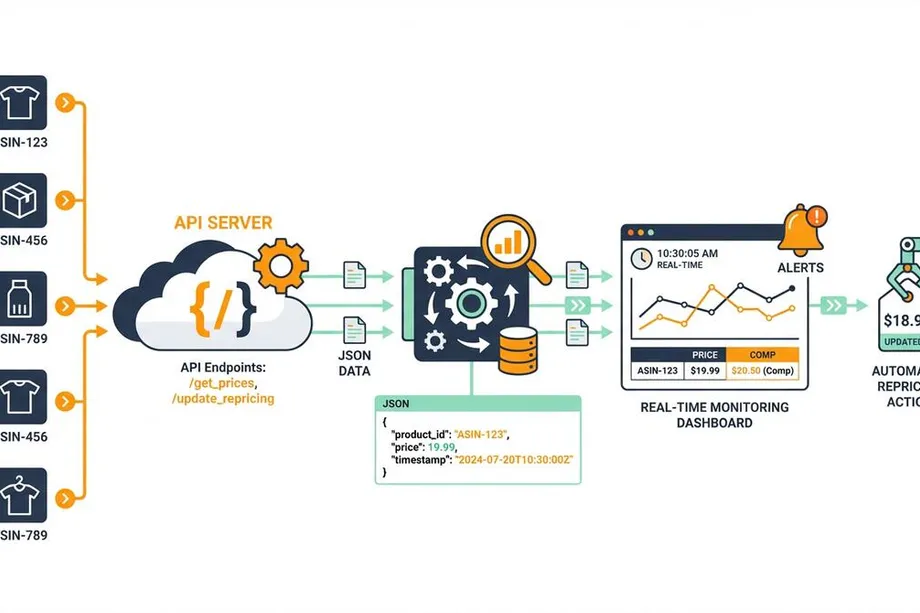
The workflow is straightforward: an API continuously fetches data on competitor prices, Buy Box ownership, and other key data points for your target ASINs. This data is fed into your pricing engine, which applies your predefined rules and automatically updates your product prices on Amazon. This creates a powerful feedback loop that keeps you competitive and profitable around the clock.
Real-Time Data with Easyparser: Your Unfair Advantage
To power this automation, you need a reliable, fast, and scalable data source. While Amazon's own Selling Partner API (SP-API) provides some pricing information, it's often not fast enough for true real-time repricing and can be complex to integrate. This is where a specialized data provider like Easyparser comes in.
Easyparser is an Amazon-focused API that delivers clean, structured JSON data for any product page in seconds. It handles all the complexities of data extraction, allowing you to focus on building your pricing logic. With Easyparser, you can monitor thousands of products, track every competitor, and get the real-time data needed to fuel your dynamic pricing engine.
Example: Tracking a Competitor's Price with Easyparser
Here's a simple Python example of how you can use Easyparser to get the current price of a product. This is the first step in building a fully automated repricing system.
import requests
import json
# Your Easyparser API Key
url = "https://realtime.easyparser.com/v1/request"
params = {
"api_key": "YOUR_API_KEY",
"platform": "Amazon",
"domain": ".com",
"operation": "DETAIL",
"asin": "B08N5WRWNW" # Example ASIN
}
# Make the request and parse the JSON response
response = requests.post(url, params=params)
product_data = response.json()
# Extract the price and Buy Box winner
price = product_data.get("price", {}).get("value")
buybox_winner = product_data.get("buybox_winner", {}).get("seller_name")
print(f"The current price for ASIN {params['asin']} is: ${price}")
print(f"The Buy Box winner is: {buybox_winner}")
Start Free with Easyparser
Ready to build your own dynamic pricing engine? Sign up for the free plan and get 100 API requests to experiment with real-time Amazon price tracking.
Conclusion: The Future is Automated
In the relentless world of Amazon e-commerce, dynamic pricing is no longer a luxury it's a necessity. By understanding the forces that drive prices, mastering the Buy Box algorithm, and leveraging the power of API-driven automation with tools like Easyparser, you can transform your pricing strategy from a defensive reaction into a proactive, profit-driving machine. Stop leaving money on the table and start building a pricing system that works for you, even while you sleep.
Start optimizing your Amazon strategy today
Start Your Free Trial100 free credits, no credit card required.