Amazon Similar Products API
Find related Amazon products by ASIN with our Similar Products API. Retrieve titles, brands, categories, and image URLs as JSON for competitor discovery and sourcing research.


• Monthly 100 free credit!
All featuresNo credit card
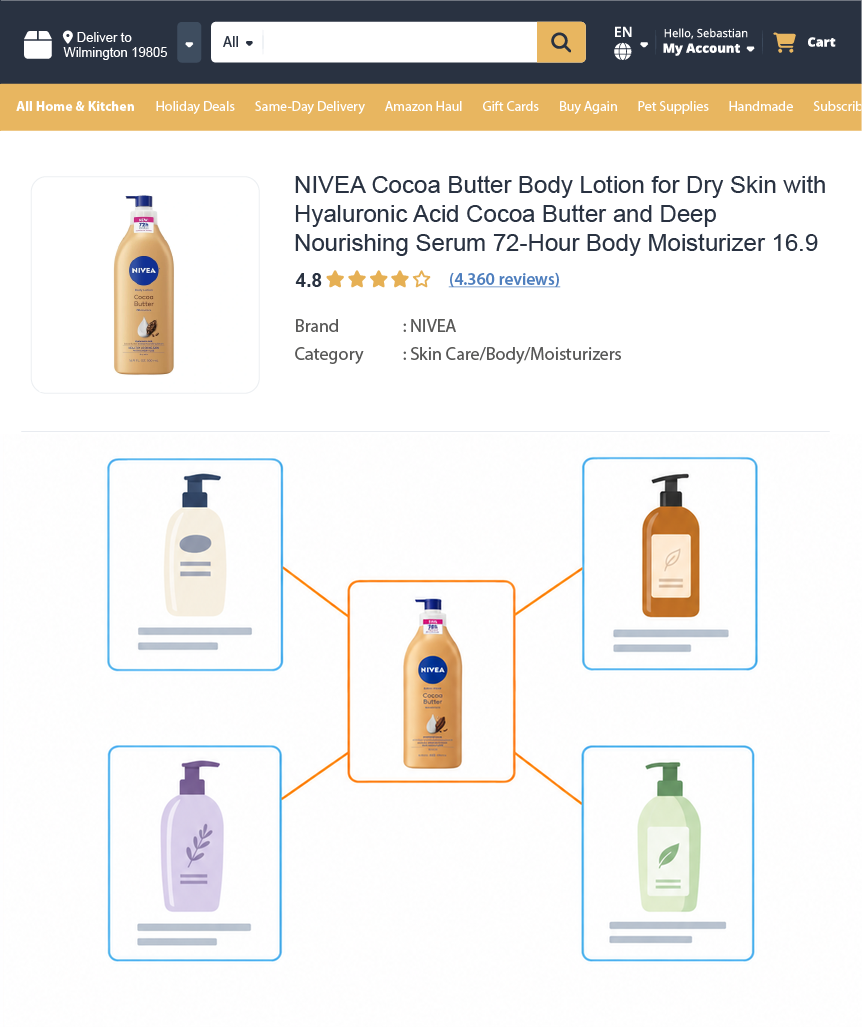
Discover Related Amazon Products by ASIN
Easyparser's Amazon Similar Products API turns a source ASIN into a structured set of related products. Retrieve similar ASINs, titles, brands, category paths, and image URLs to build competitor shortlists and product alternatives without maintaining a separate scraping workflow. Developers can use the JSON output directly in catalog tools, sourcing dashboards, and AI-agent research pipelines.
- Related Amazon ASINs to build competitor and product-alternative shortlists
- Product titles, brands, and category paths for catalog comparisons
- Image URLs and identifiers for product-discovery interfaces
- Source and related-product fields in one structured JSON response
- Configurable similar_limit: request 10, 50, or 100 related products
No credit card required · 100 free credits every month

Amazon Similar Products API How-to
How to Get Started with the Amazon Similar Products API
- 1Create Your Account
Create an account to receive 100 free monthly credits and retrieve your API key from the dashboard.
- 2Set Your ASIN and Similar Limit
Choose
SIMILAR_PRODUCTS, enter the sourceasin, and setsimilar_limitto 10 (default), 50, or 100. - 3Retrieve Related Product ASINs
Send your request and read
result.product.similar. Use each returnedasinto build a comparison set, enrich your catalog, or plan further product research.
The examples on the right show a request for ASIN B00KTLXB4C with a similar limit of 10 and the corresponding related-product JSON response.
curl -X GET \
"https://realtime.easyparser.com/v1/request" \
-G \
-d api_key=YOUR_API_KEY \
-d platform=AMZ \
-d operation=SIMILAR_PRODUCTS \
-d domain=.com \
-d asin=B00KTLXB4C \
-d similar_limit=10
# 10 (default), 50, or 100
import requests
import json
# set up the request parameters
params = {
"api_key": "YOUR_API_KEY",
"platform": "AMZ",
"operation": "SIMILAR_PRODUCTS",
"domain": ".com",
"asin": "B00KTLXB4C",
"similar_limit": "10" # 10 (default), 50, or 100
}
# make the http GET request to Easyparser API
api_result = requests.get("https://realtime.easyparser.com/v1/request", params=params)
# print the JSON response from Easyparser API
print(json.dumps(api_result.json()))
const axios = require('axios');
// set up the request parameters
const params = {
api_key: 'YOUR_API_KEY',
platform: 'AMZ',
operation: 'SIMILAR_PRODUCTS',
domain: '.com',
asin: 'B00KTLXB4C',
similar_limit: '10' // 10 (default), 50, or 100
};
// make the http GET request to Easyparser API
axios.get('https://realtime.easyparser.com/v1/request', { params })
.then(response => console.log(response.data));
<?php
// set up the request parameters
$params = array(
'api_key' => 'YOUR_API_KEY',
'platform' => 'AMZ',
'operation' => 'SIMILAR_PRODUCTS',
'domain' => '.com',
'asin' => 'B00KTLXB4C',
'similar_limit' => '10' // 10 (default), 50, or 100
);
// make the http GET request to Easyparser API
$url = 'https://realtime.easyparser.com/v1/request?' . http_build_query($params);
$response = file_get_contents($url);
echo $response;
?>
package main
import (
"fmt"
"io"
"net/http"
"net/url"
)
func main() {
// set up the request parameters
params := url.Values{}
params.Add("api_key", "YOUR_API_KEY")
params.Add("platform", "AMZ")
params.Add("operation", "SIMILAR_PRODUCTS")
params.Add("domain", ".com")
params.Add("asin", "B00KTLXB4C")
params.Add("similar_limit", "10") // 10 (default), 50, or 100
requestUrl := "https://realtime.easyparser.com/v1/request?" + params.Encode()
// make the request to Easyparser API
resp, _ := http.Get(requestUrl)
defer resp.Body.Close()
body, _ := io.ReadAll(resp.Body)
fmt.Println(string(body))
}
using System;
using System.Net.Http;
using System.Threading.Tasks;
using System.Collections.Generic;
class Program
{
static async Task Main(string[] args)
{
// set up the request parameters
var client = new HttpClient();
var query = new Dictionary<string, string> {
{ "api_key", "YOUR_API_KEY" },
{ "platform", "AMZ" },
{ "operation", "SIMILAR_PRODUCTS" },
{ "domain", ".com" },
{ "asin", "B00KTLXB4C" },
{ "similar_limit", "10" } // 10 (default), 50, or 100
};
var queryString = await new FormUrlEncodedContent(query).ReadAsStringAsync();
var url = "https://realtime.easyparser.com/v1/request?" + queryString;
// make the request to Easyparser API
var response = await client.GetStringAsync(url);
Console.WriteLine(response);
}
}
import java.net.URI;
import java.net.http.HttpClient;
import java.net.http.HttpRequest;
import java.net.http.HttpResponse;
import java.net.URLEncoder;
import java.nio.charset.StandardCharsets;
import java.util.Map;
import java.util.LinkedHashMap;
public class EasyparserExample {
public static void main(String[] args) {
// set up the request parameters
HttpClient client = HttpClient.newHttpClient();
Map<String, String> params = new LinkedHashMap<>();
params.put("api_key", "YOUR_API_KEY");
params.put("platform", "AMZ");
params.put("operation", "SIMILAR_PRODUCTS");
params.put("domain", ".com");
params.put("asin", "B00KTLXB4C");
params.put("similar_limit", "10"); // 10 (default), 50, or 100
StringBuilder sb = new StringBuilder();
for (Map.Entry<String, String> entry : params.entrySet()) {
if (sb.length() > 0) sb.append("&");
sb.append(URLEncoder.encode(entry.getKey(), StandardCharsets.UTF_8))
.append("=")
.append(URLEncoder.encode(entry.getValue(), StandardCharsets.UTF_8));
}
String url = "https://realtime.easyparser.com/v1/request?" + sb.toString();
// make the request to Easyparser API
HttpRequest request = HttpRequest.newBuilder().uri(URI.create(url)).build();
HttpResponse<String> response = client.send(request, HttpResponse.BodyHandlers.ofString());
System.out.println(response.body());
}
}

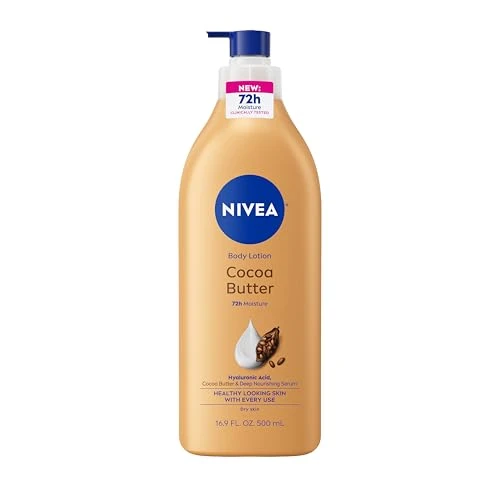
NIVEA Cocoa Butter Body Lotion for Dry Skin with Hyaluronic Acid 16.9 Oz
Similar Products
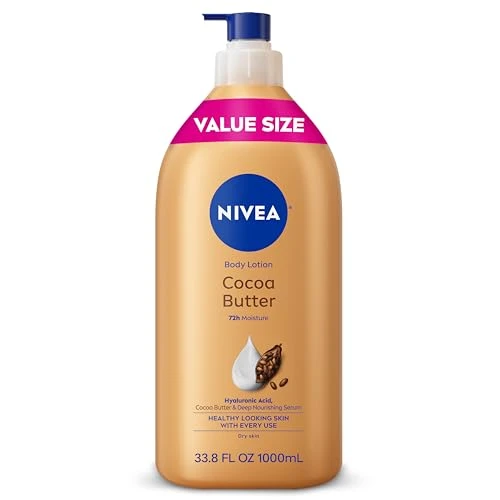
NIVEA
B08NGDVKBK
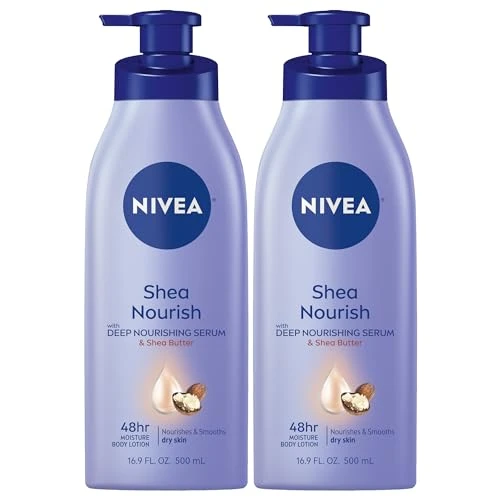
NIVEA
B00J9KN7H0
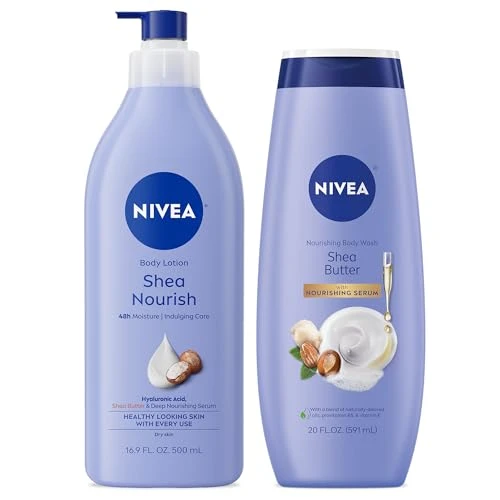
NIVEA
B0D2LTT9KG
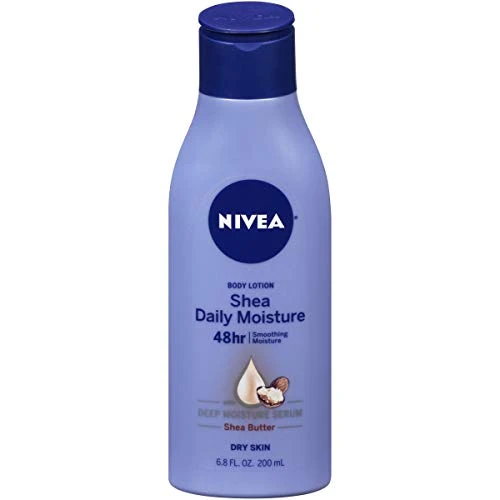
NIVEA
B00DGW84KW
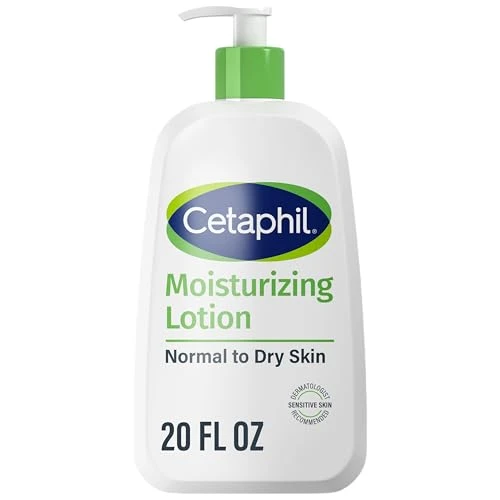
Cetaphil
B099N2SLT9
Five example alternatives shown here. All 10 similar products are expanded in the JSON response below.
Key API Features
Strategic Use Cases for the Amazon Similar Products API
Turn related-product ASINs and catalog fields into practical workflows for competitor research, sourcing, recommendation candidates, and AI-driven product analysis.
Competitor Discovery & Product Benchmarking
Use a reference ASIN to identify related Amazon listings and build a focused competitor shortlist. Group the returned products by brand or category, then retrieve price or offer data separately when your benchmarking workflow requires it.
Product Sourcing & Alternative Research
Review the returned brands, category paths, and product titles to shortlist alternatives for sourcing research. Enrich selected ASINs with Product Detail before comparing specifications or deciding which products to investigate further.
Similar-Product Recommendation Workflows
Use related ASINs as candidates for similar-product experiences in your application. Combine the returned titles and image URLs with your own selection rules, then enrich product attributes before displaying alternatives to shoppers.
Related-Product Catalog Enrichment
Store source-to-related ASIN relationships alongside product titles, brands, category paths, and image URLs. Use the structured JSON response to populate related-product sections or connect alternative listings within an existing catalog.
Brand & Category Comparison
Group returned products by brand and category to understand the alternatives associated with a source ASIN. Compare the composition of that product set to organize brand-level benchmarks and prioritize listings for deeper category research.
AI-Agent Product Research
Pass the structured product fields to an AI agent for alternative-product summaries, brand comparisons, and research planning. Keep each finding tied to its returned ASIN and fetch price, offer, or historical data separately when the task requires it.
Frequently Asked Questions about the Amazon Similar Products API
Quick answers about finding related Amazon ASINs, reading the JSON response, choosing result limits, and distinguishing product discovery from other operations.
What does the Amazon Similar Products API return?
The Amazon Similar Products API returns the source product at result.product and related products in result.product.similar. Each related product includes an ASIN, title, brand, category, and image object with its image URL.
How do I find similar Amazon products by ASIN?
Send api_key, platform=AMZ, operation=SIMILAR_PRODUCTS, your Amazon marketplace domain, and the source asin. Set similar_limit to 10, 50, or 100 to choose the maximum number of related products requested.
How many similar products can I request?
You can request 10 similar products by default, or select 50 or 100 using similar_limit. The returned count depends on the related products available for the source ASIN; the limit is not a guaranteed result count.
Where are the similar ASINs in the JSON response?
Read result.product.similar and extract the asin field from each array item. The source ASIN remains at result.product.asin, so your application can retain the relationship between the input product and its alternatives.
Does the Similar Products API include prices or seller offers?
No. This operation returns related-product identifiers and catalog fields, not prices or seller offers. Use the returned ASINs with Product Detail for product attributes or Product Offer for offer-level data before making a price comparison.
Is Similar Products the same as product variations?
No. Similar Products discovers related product ASINs; it is not intended to enumerate a source product's complete size or color variation family. Use Product Detail when you need product variation data.
Build competitor shortlists, explore product alternatives, and feed structured Amazon product data into sourcing tools, catalogs, and AI research workflows.