When operating on Amazon, understanding the distinction between amazon seller feedback vs product review is not just a matter of semantics it is a critical requirement for maintaining account health, securing the Buy Box, and evaluating supplier reliability. Many sellers and buyers conflate these two metrics, leading to misdirected complaints and skewed performance data. However, for data analysts, B2B lead generation teams, and competitive intelligence professionals, these two data points serve entirely different strategic purposes.
This guide explores the fundamental differences between Amazon seller feedback and product reviews, explains how Amazon handles misplaced feedback (such as strikethrough reviews), and demonstrates how to programmatically extract this data using Easyparser's dedicated APIs to build automated seller vetting and reputation tracking systems.
The Core Difference: Seller Feedback vs Product Reviews
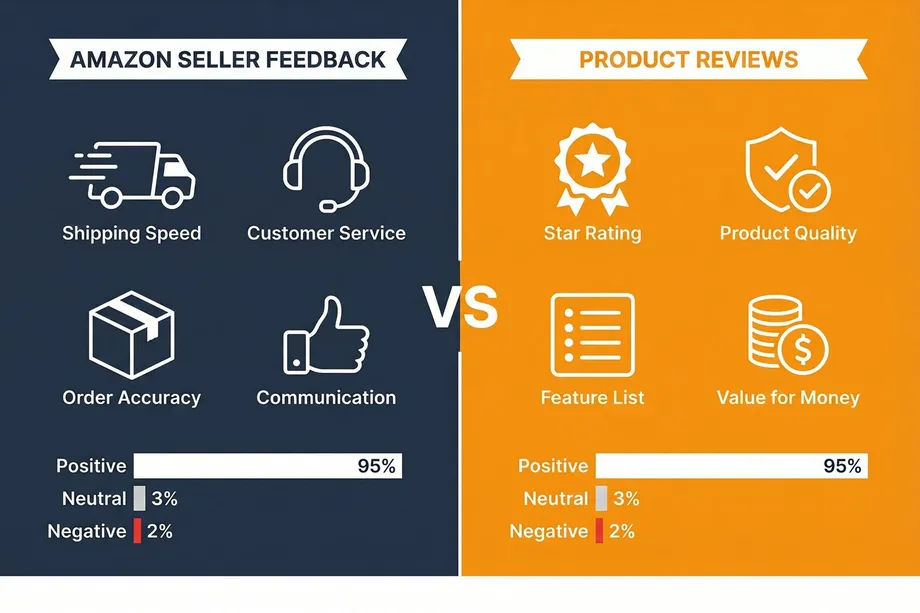
At the most basic level, the difference lies in what is being evaluated: the transaction experience versus the item itself. Understanding this distinction is crucial for interpreting the data correctly.
Amazon Seller Feedback
Seller feedback acts as a report card for the merchant's operational performance. It measures the quality of the fulfillment process, customer service, and overall reliability. When a customer leaves seller feedback, they are answering questions like:
- Did the item arrive on time?
- Was the item packaged securely and accurately described?
- How responsive and helpful was the seller when issues arose?
Seller feedback is a primary component of a merchant's Account Health. It directly influences Buy Box eligibility, search visibility, and overall seller privileges. A high negative feedback ratio can lead to account suspension, making it a critical metric for seller reputation scoring algorithms.
Amazon Product Reviews
Product reviews, on the other hand, evaluate the physical item regardless of who sold it. They focus on the product's quality, durability, features, and whether it met the buyer's expectations. Product reviews are tied to the Amazon Standard Identification Number (ASIN) and remain with the product listing even if multiple different sellers offer the item.
While product reviews heavily influence the item's organic search ranking and conversion rate, they do not directly impact the individual seller's Account Health metrics (unless the reviews indicate a systemic issue with authenticity or safety).
Amazon-Suppressed Feedback: How to Detect Strikethrough Reviews
Because buyers frequently confuse the two systems, they often leave product complaints in the seller feedback section. Amazon has specific policies to handle this misdirected feedback to protect sellers from unfair performance hits.
If a buyer leaves a negative seller feedback that is entirely a product review (e.g., "The blender broke after two uses"), the seller can request its removal. Furthermore, for orders fulfilled by Amazon (FBA), if the negative feedback relates explicitly to the delivery experience or customer service handled by Amazon, Amazon will strike through the feedback. The rating will not count against the seller's performance metrics, and a note will appear stating: "This item was fulfilled by Amazon, and we take responsibility for this fulfillment experience."
Detecting these strikethrough reviews is vital for accurate data analysis. A seller might appear to have a high volume of negative feedback at first glance, but if a significant portion of those are suppressed by Amazon, their actual operational reliability might be perfectly fine. This nuance is critical when vetting suppliers or evaluating competitors.
Strategic Use Cases for Extracted Feedback Data
Extracting and analyzing amazon seller feedback vs product review data unlocks several high-value strategic applications for businesses operating in or around the Amazon ecosystem.
B2B Lead Generation and Supplier Vetting
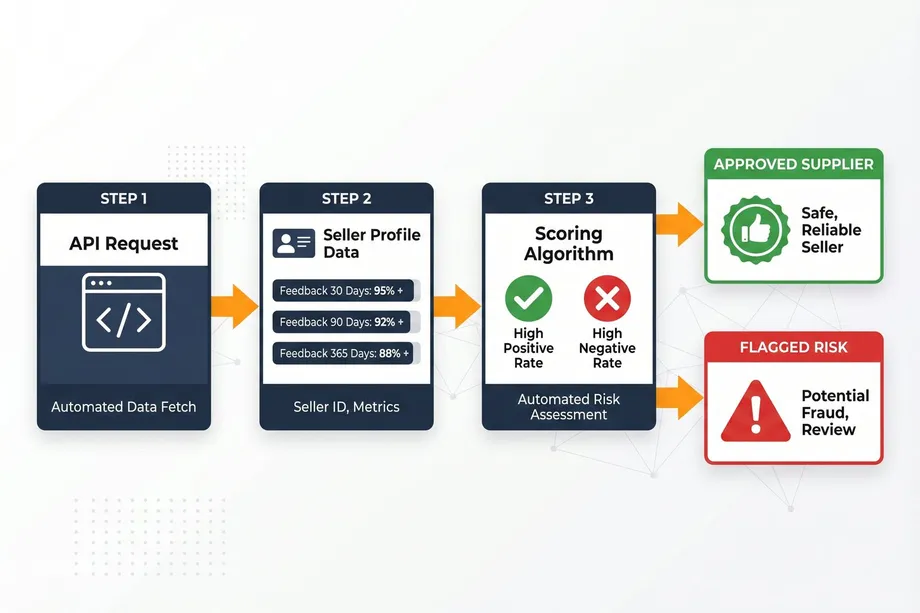
For B2B lead generation agencies and wholesale distributors, identifying reliable sellers is paramount. By analyzing a seller's lifetime and 30/90/365-day feedback percentages, you can filter out high-risk merchants and focus your outreach on established, high-performing businesses. A sudden spike in negative feedback velocity often indicates operational distress, making that seller a poor candidate for a long-term partnership or a prime target for a specialized service offering.
Arbitrage Supplier Reliability Verification
Online arbitrageurs rely on purchasing inventory from third-party sellers to resell. Verifying the reliability of these suppliers is essential to avoid counterfeit goods, delayed shipments, or poor customer service. By extracting seller feedback data, arbitrageurs can build a reputation scoring algorithm to automatically flag suppliers with a high negative feedback ratio or a history of fulfillment issues.
Competitive Seller Analysis
Monitoring competitors' feedback provides actionable intelligence. If a competing seller consistently receives negative feedback regarding slow shipping or poor packaging, you can highlight your superior fulfillment capabilities in your own marketing. Conversely, analyzing their product reviews reveals specific product flaws that you can address in your own product development cycle.
Extracting Seller Profile and Feedback Data with Easyparser
While web scraping Amazon data manually is fraught with challenges like IP blocks and inconsistent HTML structures, Easyparser provides a dedicated API infrastructure designed specifically for reliable, structured data extraction.
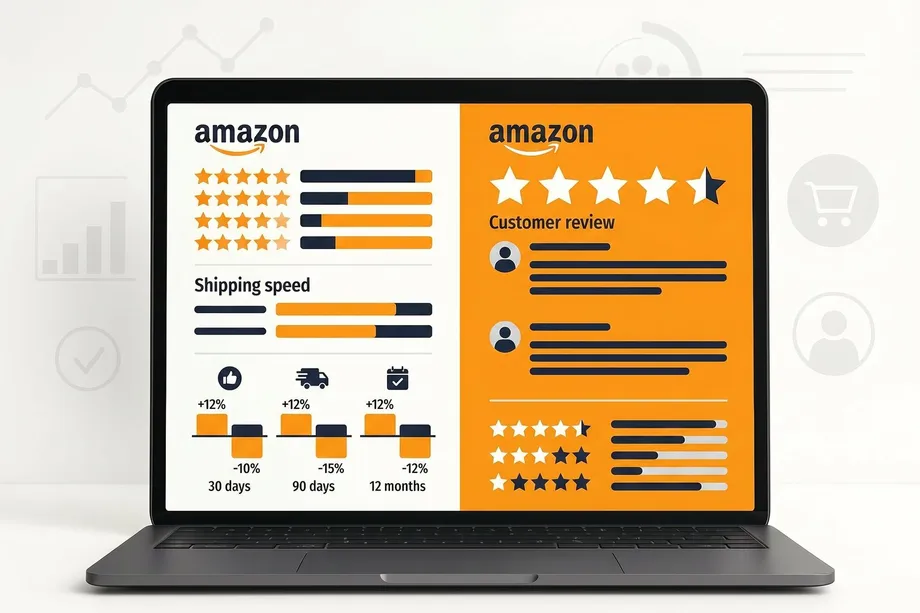
Easyparser's Seller Feedback API is the ideal tool for extracting comprehensive seller feedback data. It returns granular feedback percentages (Positive, Neutral, Negative) broken down by 30 days, 90 days, 12 months, and Lifetime. Crucially, it also retrieves the latest customer reviews and explicitly indicates whether a feedback comment has been suppressed (strikethrough) by Amazon.
Here is an example of how to build a Python script to track seller reputation using the Easyparser Real-Time API:
import requests
API_KEY = "YOUR_API_KEY" # Get your key from app.easyparser.com
SELLER_ID = "A23X8TYK8IHNZF"
params = {
"api_key": API_KEY,
"platform": "AMZ",
"operation": "SELLER_PROFILE",
"seller_id": SELLER_ID,
"domain": ".com"
}
response = requests.get("https://realtime.easyparser.com/v1/request", params=params)
data = response.json()
seller = data.get("result", {}).get("seller_details", {})
feedback_summary = data.get("result", {}).get("feedback_summary", [])
print(f"Seller Name: {seller.get('name')}")
print(f"Overall Rating: {seller.get('rating')} stars")
print(f"12-Month Positive Feedback: {feedback_summary[0].get('twelve_months', {}).get('positive_percent')}%")
Extracting Product Reviews with Easyparser
To analyze the product itself, you need the Detail API. This operation extracts the product's overall rating, review count, and top reviews, allowing you to analyze customer sentiment regarding the item's quality and features.
By combining data from both the Seller Profile API and the Detail API, you can build a comprehensive view of both the merchant's operational health and the market's reception of the products they sell. This dual approach is essential for robust competitive intelligence and supplier evaluation.
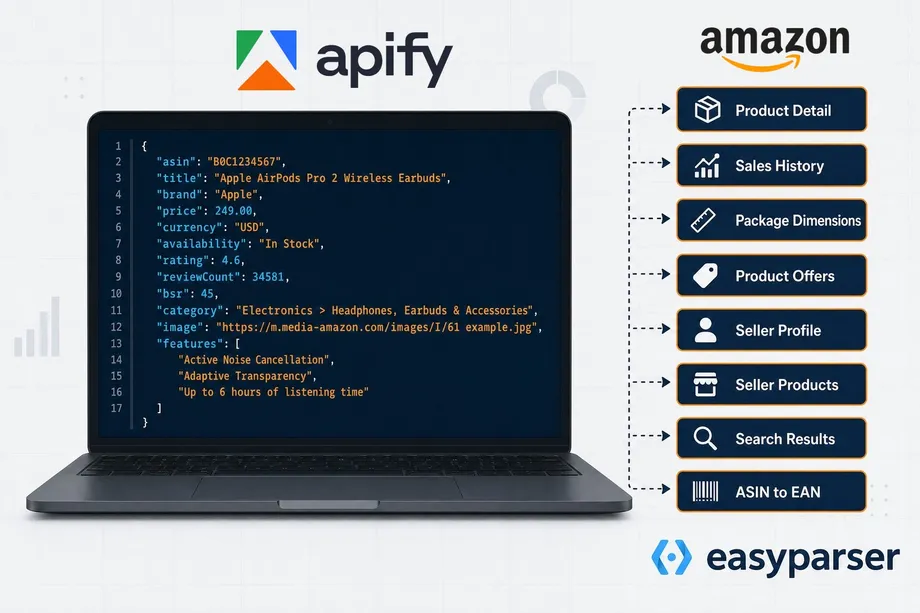
For a complete overview of all available operations, including the Product Offer and Sales Analysis APIs, visit the Easyparser Amazon Scraping API.
Conclusion
Navigating the nuances of amazon seller feedback vs product review data is essential for anyone analyzing the Amazon marketplace. Seller feedback provides a window into a merchant's operational reliability and customer service, while product reviews offer insights into item quality and market demand. By leveraging Easyparser's robust API infrastructure, businesses can automate the extraction of this critical data, enabling advanced use cases like B2B lead generation, automated supplier vetting, and comprehensive competitive analysis. Stop relying on manual checks and start building scalable, data-driven intelligence systems today.
Start extracting Amazon data for free
Start Your Free Trial100 free credits, no credit card required.